The role of liquid biomethane (bioLNG) in decarbonising shipping
Share article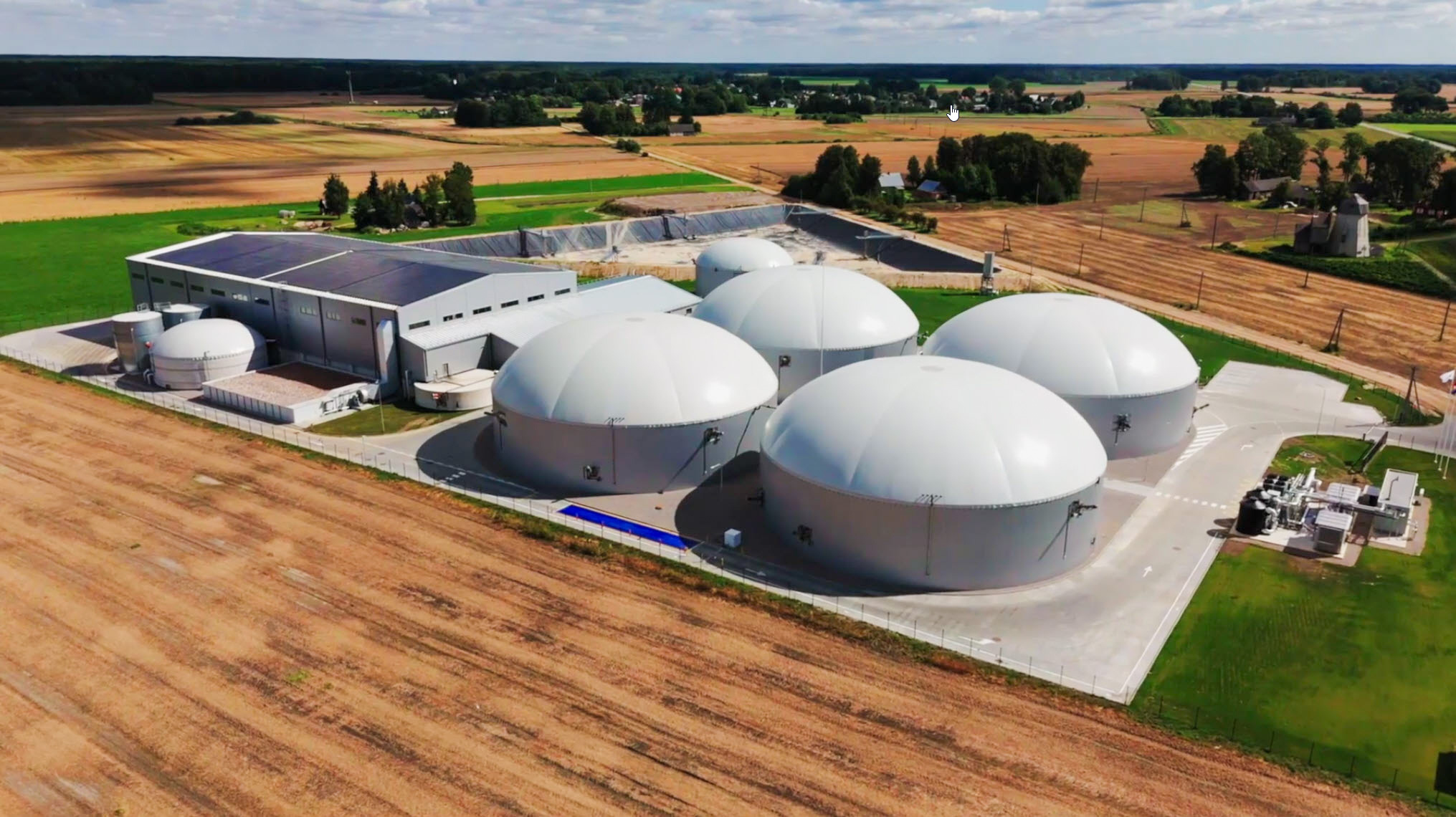
As the maritime sector faces mounting regulatory and societal pressure to decarbonise, biomethane has emerged as a practical, immediate solution for reducing greenhouse gas (GHG) emissions from shipping. Unlike other alternative fuels that can require significant vessel modifications or investment into newbuilds, the decarbonisation value of biomethane can be adopted today – even by operators without LNG fuelled vessels, through use of regulatory flexibility mechanisms such as FuelEU Pooling.
Decarbonisation regulation: the compliance challenge
Shipping has entered a new era of environmental regulation. The International Maritime Organization (IMO) has set ambitious targets to reduce GHG emissions by at least 40% by 2030 and to achieve net-zero emissions by 2050.
Since 2024, the EU Emissions Trading System (ETS) has required ship operators to purchase allowances for their CO₂ emissions on voyages with an EU nexus. Since the beginning of 2025, FuelEU Maritime has mandated reductions in the GHG intensity of energy used on board ships, incentivising the uptake of renewable and low-carbon fuels.
On a global scale, the IMO’s interim measures, such as the Carbon Intensity Indicator (CII) and Energy Efficiency Existing Ship Index (EEXI), require continuous improvements in vessel efficiency and emissions performance. In the longer term, IMO is considering the adoption of a fuel carbon intensity standard of its own, which would rival the ambitions set by the FuelEU.
Biomethane as a flexible decarbonisation option
Biomethane is a renewable gas produced through the breakdown of organic waste. It is chemically identical to fossil-derived methane but has a low to negative carbon intensity (CI).
Mass balancing
Compatibility with fossil-derived methane allows biomethane to be injected into and mass balanced across existing gas grids & LNG terminals, enabling its use as a drop-in replacement for conventional LNG in LNG-capable vessels. The process is supported by robust certification schemes to ensure traceability of the molecules and ensure environmental integrity
This allows operators of LNG-capable vessels an easily accessible method of decarbonisation – which in the case of the FuelEU, would see low-CI biomethane extending the compliance of an LNG vessel far into the future – whilst overcoming today’s logistical and fuel supply challenges.
Facilitating the transfer of biomethane sustainability across the grid can also provide demand validation for its producers and support the development of new production projects, delivering a more cost-effective procurement process.
Long term compliance with FuelEU
BioLNG offers significant long term compliance advantages under FuelEU. As a renewable fuel derived from organic waste, bioLNG can deliver substantial lifecycle GHG reductions compared to conventional marine fuels. The regulation recognises the value of advanced biofuels like bioLNG, enabling ship operators to meet increasingly stringent FuelEU targets for carbon intensity, and offering a robust, future proof solution for sustained compliance with FuelEU.
FuelEU pooling
FuelEU pooling is a flexibility mechanism that exists under the FuelEU Maritime. It enables over-compliant vessels to share their FuelEU compliance surplus with under-compliant vessels, across multiple shipping companies and vessel types.
By making pooling agreements and entering pools with vessels that have generated compliance surplus by consuming biomethane, non-compliant vessels can be allocated the amount of compliance surplus they need to comply, or over comply, with the FuelEU Maritime. This allows shipowners and charterers of conventionally fuelled vessels to share in the decarbonisation benefits of biomethane consumed on LNG or dual-fuel vessels.
Under the EU Renewable Energy Directive (RED), biomethane can achieve GHG emission reductions far superior to drop-in biofuels such as used cooking oil methyl ester (UCOME).
With the low carbon intensity certified through official EU renewable energy certification, biomethane can provide an accessible, flexible, and certified decarbonisation option for the shipping sector.
Vitol’s biomethane production, trading and supply
Underpinning Vitol’s reputation as a reliable, long-term partner, it has a significant footprint in biomethane, with production, trading, and supply chains across Europe and the US.
Trading activity in the European biomethane market facilitates the movement of green gas certificates and physical biomethane to industrial, transport, and utility customers, while ViGo Bioenergy – a Vitol-owned company – operates and invests in biogas production facilities, leveraging agricultural and organic waste feedstocks.
With an end-to-end supply chain, Vitol handles several terawatt-hours (TWh) of biomethane annually and is ideally positioned to support customers decarbonisation efforts, particularly in hard-to-abate sectors. Vitol can tailor the CI of bioLNG deliveries to meet specific customer requirements by sourcing biomethane from different feedstocks, optimising supply chain logistics, and providing detailed certification and traceability for each batch. This flexibility means that the CI profile of the delivered bioLNG can be aligned with the sustainability goals and regulatory needs of each customer, ensuring compliance and maximising value for their decarbonisation strategies.
Looking ahead, the biogas portfolio will continue to expand through new project developments, strategic partnerships, and investments in advanced upgrading technologies, continuing to ensure security of supply for customers.
Supporting our customers
Vitol Bunkers is ideally placed to support customers throughout the maritime industry’s energy transition with its bunker offering of alternative fuels. These include bioLNG as well as biofuels up to B100 and co-processed, sustainability attached conventional fuels.
Biomethane stands out as a versatile, scalable, and immediately available tool for shipping decarbonisation. It provides a flexible pathway to regulatory compliance and participation in sustainable fuel markets through mechanisms such as grid mass balancing and FuelEU pooling, supporting operators – regardless of their current vessel technology – to take meaningful steps to decarbonise in line with regulatory requirements.